Buy dateihosting.com ?
We are moving the project
dateihosting.com .
Are you interested in purchasing the domain
dateihosting.com ?
domain@kv-gmbh.de · 0541-91531010
Buy dateihosting.com ?
What is a nucleophilic substitution?
A nucleophilic substitution is a type of organic reaction where a nucleophile replaces a leaving group in a molecule. The nucleophile is an electron-rich species that attacks the electrophilic carbon atom, leading to the displacement of the leaving group. This reaction is commonly seen in alkyl halides, where the halogen atom is replaced by a nucleophile such as hydroxide or amine. Nucleophilic substitutions can proceed via either an SN1 (unimolecular) or SN2 (bimolecular) mechanism, depending on the structure of the substrate and reaction conditions. **
What is a nucleophilic center?
A nucleophilic center is an atom within a molecule that has a partial or full negative charge and is therefore attracted to positively charged species. This center is rich in electrons and is capable of donating a pair of electrons to form a new chemical bond with an electrophile. Nucleophilic centers are commonly found in atoms such as oxygen, nitrogen, and sulfur, which have lone pairs of electrons available for bonding. These centers play a key role in many chemical reactions, such as nucleophilic substitution and addition reactions. **

Similar search terms for Nucleophilic
Top-Angebote
Products related to Nucleophilic:
-
All Categories Goods Automatic Transfer Switch 63A 3P ATS Dual Power Self Cast CB Level For Home & Generator Backup Automatic Transfer Switch 63A 3P ATS Dual Power Self Cast CB Level For Home & Generator BackupTransform how your power systems respond to outages with this rugged, reliable automatic transfer switch 63A built for seamless source switching. Designed for homeowners, small businesses, and generator setups that demand dependable power...159,97 $*Shipping: 0,00 $Secure redirect to the provider
-
eufy Security Cloud Backup Plus Monthly Service (All device) 10 deviceDual Backup, Double Peace of Mind. Subscribe to the eufy Security Cloud Backup service if you need extra space to store event videos. Stores videos for 30 days, giving you sufficient time to review recorded videos. Videos accessible, even if devices...12,60 $*Shipping: 0,00 $Secure redirect to the provider
-
eufy Security Cloud Backup Basic Annually Service (2 device) 2 deviceDual Backup, Double Peace of Mind. Subscribe to the eufy Security Cloud Backup service if you need extra space to store event videos. Stores videos for 30 days, giving you sufficient time to review recorded videos. Videos accessible, even if devices are offline. AWS advanced encryption, ensuring data is in your control. We offer a variety of plans for you to choose the one that suits you best, up to all devices supported. To cover multiple devices, please select a service package that includes multi-device support. Repeatedly purchasing the same package will extend service only for the original device, not add additional ones.79,99 £*Shipping: 0,00 £Secure redirect to the provider
-
eufy Security Cloud Backup Basic Annually Service (1 device) 1 deviceDual Backup, Double Peace of Mind. Subscribe to the eufy Security Cloud Backup service if you need extra space to store event videos. Stores videos for 30 days, giving you sufficient time to review recorded videos. Videos accessible, even if devices...36,00 $*Shipping: 0,00 $Secure redirect to the provider




-
Is water electrophilic or nucleophilic?
Water is considered nucleophilic because it has a lone pair of electrons on the oxygen atom, which can be donated to an electrophile in a chemical reaction. This lone pair of electrons allows water to act as a nucleophile, meaning it can attack positively charged or electron-deficient species in a chemical reaction. **
-
How does a nucleophilic substitution proceed?
A nucleophilic substitution proceeds with the attack of a nucleophile on an electrophilic carbon atom, leading to the displacement of a leaving group. The nucleophile, which is typically a negatively charged or electron-rich species, attacks the electrophilic carbon, forming a new bond and causing the leaving group to depart. This results in the substitution of the leaving group with the nucleophile, leading to the formation of a new compound. The rate and mechanism of the nucleophilic substitution can be influenced by factors such as the nature of the nucleophile, leaving group, and solvent. **
-
What are nucleophilic and electrophilic reagents?
Nucleophilic reagents are molecules or ions that are electron-rich and are attracted to electron-deficient sites in other molecules. They donate a pair of electrons to form a new covalent bond. Electrophilic reagents, on the other hand, are electron-deficient species that are attracted to electron-rich sites in other molecules. They accept a pair of electrons to form a new covalent bond. Both types of reagents play important roles in organic chemistry reactions by participating in bond formation processes. **
-
What is the Walden inversion in nucleophilic substitution?
The Walden inversion in nucleophilic substitution refers to the stereochemical outcome where the configuration of the stereocenter is inverted during the reaction. This inversion occurs due to the backside attack of the nucleophile on the electrophilic center, leading to the formation of the inverted product. The Walden inversion is a key concept in understanding the mechanism of nucleophilic substitution reactions, particularly in reactions involving chiral centers. **


Is it an electrophilic addition or a nucleophilic addition?
The type of addition reaction depends on the nature of the reactants involved. If the reaction involves an electrophile (electron-deficient species) reacting with a nucleophile (electron-rich species), it is considered an electrophilic addition. On the other hand, if the reaction involves a nucleophile attacking an electrophilic center, it is considered a nucleophilic addition. The key distinction lies in the role of the reactants in the addition process. **
How does the inductive mesomeric effect influence nucleophilic substitution?
The inductive mesomeric effect, also known as the resonance effect, involves the delocalization of electrons through a molecule. In the context of nucleophilic substitution, the inductive mesomeric effect can influence the reactivity of the substrate. When a substituent with a strong electron-withdrawing group is present, it can withdraw electron density from the carbon atom, making it more electrophilic and thus more susceptible to nucleophilic attack. Conversely, a substituent with a strong electron-donating group can donate electron density to the carbon atom, making it less electrophilic and less susceptible to nucleophilic attack. Therefore, the inductive mesomeric effect can impact the rate and outcome of nucleophilic substitution reactions. **
Top-Angebote
Products related to Nucleophilic:
-
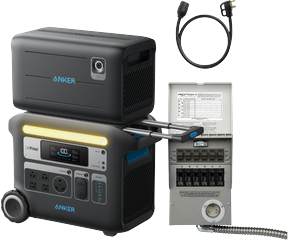
Anker SOLIX F2600 + Home Backup Kit (Transfer Switch + Cable)Unchanged Size with 2,560Wh LFP Battery 2400W Continuous AC Output, Surge 2800W Expandable with 760 Expansion Battery Max 1000W Solar Input HyperFlash™ 1440W AC Input App remote control via Wi-Fi & Bluetooth 5-year waranty and 10-year lifespan2569,99 $*Shipping: 0,00 $Secure redirect to the provider
-
Anker SOLIX F2600 + Expansion Battery + Home Backup Kit (Transfer Switch + Cable)2400W Continuous AC Output, Surge 2800W Expandable with Expansion Battery Max 1000W Solar Input HyperFlash™ 1440W AC Input App remote control via Wi-Fi & Bluetooth 5-year waranty and 10-year lifespan3569,98 $*Shipping: 0,00 $Secure redirect to the provider
-
All Categories Goods Automatic Transfer Switch 63A 3P ATS Dual Power Self Cast CB Level For Home & Generator Backup Automatic Transfer Switch 63A 3P ATS Dual Power Self Cast CB Level For Home & Generator BackupTransform how your power systems respond to outages with this rugged, reliable automatic transfer switch 63A built for seamless source switching. Designed for homeowners, small businesses, and generator setups that demand dependable power...159,97 $*Shipping: 0,00 $Secure redirect to the provider
-
eufy Security Cloud Backup Plus Monthly Service (All device) 10 deviceDual Backup, Double Peace of Mind. Subscribe to the eufy Security Cloud Backup service if you need extra space to store event videos. Stores videos for 30 days, giving you sufficient time to review recorded videos. Videos accessible, even if devices...12,60 $*Shipping: 0,00 $Secure redirect to the provider
-
What is a nucleophilic substitution?
A nucleophilic substitution is a type of organic reaction where a nucleophile replaces a leaving group in a molecule. The nucleophile is an electron-rich species that attacks the electrophilic carbon atom, leading to the displacement of the leaving group. This reaction is commonly seen in alkyl halides, where the halogen atom is replaced by a nucleophile such as hydroxide or amine. Nucleophilic substitutions can proceed via either an SN1 (unimolecular) or SN2 (bimolecular) mechanism, depending on the structure of the substrate and reaction conditions. **
-
What is a nucleophilic center?
A nucleophilic center is an atom within a molecule that has a partial or full negative charge and is therefore attracted to positively charged species. This center is rich in electrons and is capable of donating a pair of electrons to form a new chemical bond with an electrophile. Nucleophilic centers are commonly found in atoms such as oxygen, nitrogen, and sulfur, which have lone pairs of electrons available for bonding. These centers play a key role in many chemical reactions, such as nucleophilic substitution and addition reactions. **
-
Is water electrophilic or nucleophilic?
Water is considered nucleophilic because it has a lone pair of electrons on the oxygen atom, which can be donated to an electrophile in a chemical reaction. This lone pair of electrons allows water to act as a nucleophile, meaning it can attack positively charged or electron-deficient species in a chemical reaction. **
-
How does a nucleophilic substitution proceed?
A nucleophilic substitution proceeds with the attack of a nucleophile on an electrophilic carbon atom, leading to the displacement of a leaving group. The nucleophile, which is typically a negatively charged or electron-rich species, attacks the electrophilic carbon, forming a new bond and causing the leaving group to depart. This results in the substitution of the leaving group with the nucleophile, leading to the formation of a new compound. The rate and mechanism of the nucleophilic substitution can be influenced by factors such as the nature of the nucleophile, leaving group, and solvent. **
Similar search terms for Nucleophilic
-
eufy Security Cloud Backup Basic Annually Service (2 device) 2 deviceDual Backup, Double Peace of Mind. Subscribe to the eufy Security Cloud Backup service if you need extra space to store event videos. Stores videos for 30 days, giving you sufficient time to review recorded videos. Videos accessible, even if devices are offline. AWS advanced encryption, ensuring data is in your control. We offer a variety of plans for you to choose the one that suits you best, up to all devices supported. To cover multiple devices, please select a service package that includes multi-device support. Repeatedly purchasing the same package will extend service only for the original device, not add additional ones.79,99 £*Shipping: 0,00 £Secure redirect to the provider
-
eufy Security Cloud Backup Basic Annually Service (1 device) 1 deviceDual Backup, Double Peace of Mind. Subscribe to the eufy Security Cloud Backup service if you need extra space to store event videos. Stores videos for 30 days, giving you sufficient time to review recorded videos. Videos accessible, even if devices...36,00 $*Shipping: 0,00 $Secure redirect to the provider
-
eufy Security Cloud Backup Basic Monthly Service (1 device) 1 deviceDual Backup, Double Peace of Mind. Subscribe to the eufy Security Cloud Backup service if you need extra space to store event videos. Stores videos for 30 days, giving you sufficient time to review recorded videos. Videos accessible, even if devices...3,60 $*Shipping: 0,00 $Secure redirect to the provider
-
eufy Security Cloud Backup Basic Monthly Service (1 device) 1 deviceDual Backup, Double Peace of Mind. Subscribe to the eufy Security Cloud Backup service if you need extra space to store event videos. Stores videos for 30 days, giving you sufficient time to review recorded videos. Videos accessible, even if devices are offline. AWS advanced encryption, ensuring data is in your control. We offer a variety of plans for you to choose the one that suits you best, up to all devices supported. To cover multiple devices, please select a service package that includes multi-device support. Repeatedly purchasing the same package will extend service only for the original device, not add additional ones.3,99 £*Shipping: 0,00 £Secure redirect to the provider
-
What are nucleophilic and electrophilic reagents?
Nucleophilic reagents are molecules or ions that are electron-rich and are attracted to electron-deficient sites in other molecules. They donate a pair of electrons to form a new covalent bond. Electrophilic reagents, on the other hand, are electron-deficient species that are attracted to electron-rich sites in other molecules. They accept a pair of electrons to form a new covalent bond. Both types of reagents play important roles in organic chemistry reactions by participating in bond formation processes. **
-
What is the Walden inversion in nucleophilic substitution?
The Walden inversion in nucleophilic substitution refers to the stereochemical outcome where the configuration of the stereocenter is inverted during the reaction. This inversion occurs due to the backside attack of the nucleophile on the electrophilic center, leading to the formation of the inverted product. The Walden inversion is a key concept in understanding the mechanism of nucleophilic substitution reactions, particularly in reactions involving chiral centers. **
-
Is it an electrophilic addition or a nucleophilic addition?
The type of addition reaction depends on the nature of the reactants involved. If the reaction involves an electrophile (electron-deficient species) reacting with a nucleophile (electron-rich species), it is considered an electrophilic addition. On the other hand, if the reaction involves a nucleophile attacking an electrophilic center, it is considered a nucleophilic addition. The key distinction lies in the role of the reactants in the addition process. **
-
How does the inductive mesomeric effect influence nucleophilic substitution?
The inductive mesomeric effect, also known as the resonance effect, involves the delocalization of electrons through a molecule. In the context of nucleophilic substitution, the inductive mesomeric effect can influence the reactivity of the substrate. When a substituent with a strong electron-withdrawing group is present, it can withdraw electron density from the carbon atom, making it more electrophilic and thus more susceptible to nucleophilic attack. Conversely, a substituent with a strong electron-donating group can donate electron density to the carbon atom, making it less electrophilic and less susceptible to nucleophilic attack. Therefore, the inductive mesomeric effect can impact the rate and outcome of nucleophilic substitution reactions. **
* All prices are inclusive of VAT and, if applicable, plus shipping costs. The offer information is based on the details provided by the respective shop and is updated through automated processes. Real-time updates do not occur, so deviations can occur in individual cases. ** Note: Parts of this content were created by AI.